06 / Case study / 2025
Industrial Design Sketchbook
Form, function and proportion explored through product sketching and technical studies.
Overview
This sketchbook brings together fast visual studies from different product categories. The subject changes, but the purpose remains consistent: make an idea understandable, test its silhouette, expose construction logic and communicate enough detail for the concept to move forward.
01 / Automotive form
A strong silhouette establishes character before detail.
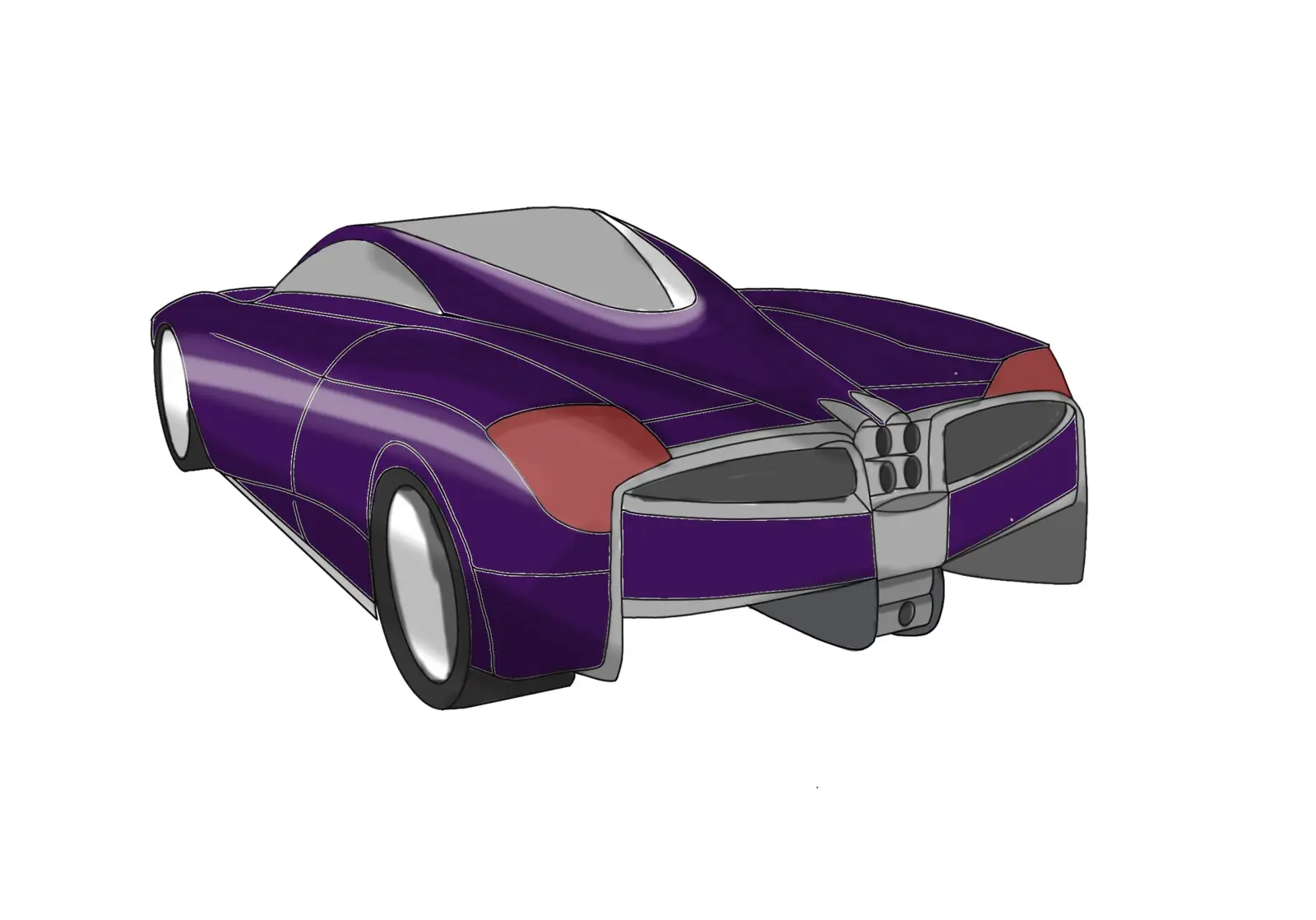
The automotive study uses a rear three-quarter view to develop stance, volume and surface transitions. A low body, pronounced shoulders and a central rear graphic create a recognisable direction quickly.
The rendering is less about production resolution and more about communicating proportion, movement and visual identity in a single image.
02 / Product ergonomics
Compact power-tool proportions are built around grip and balance.
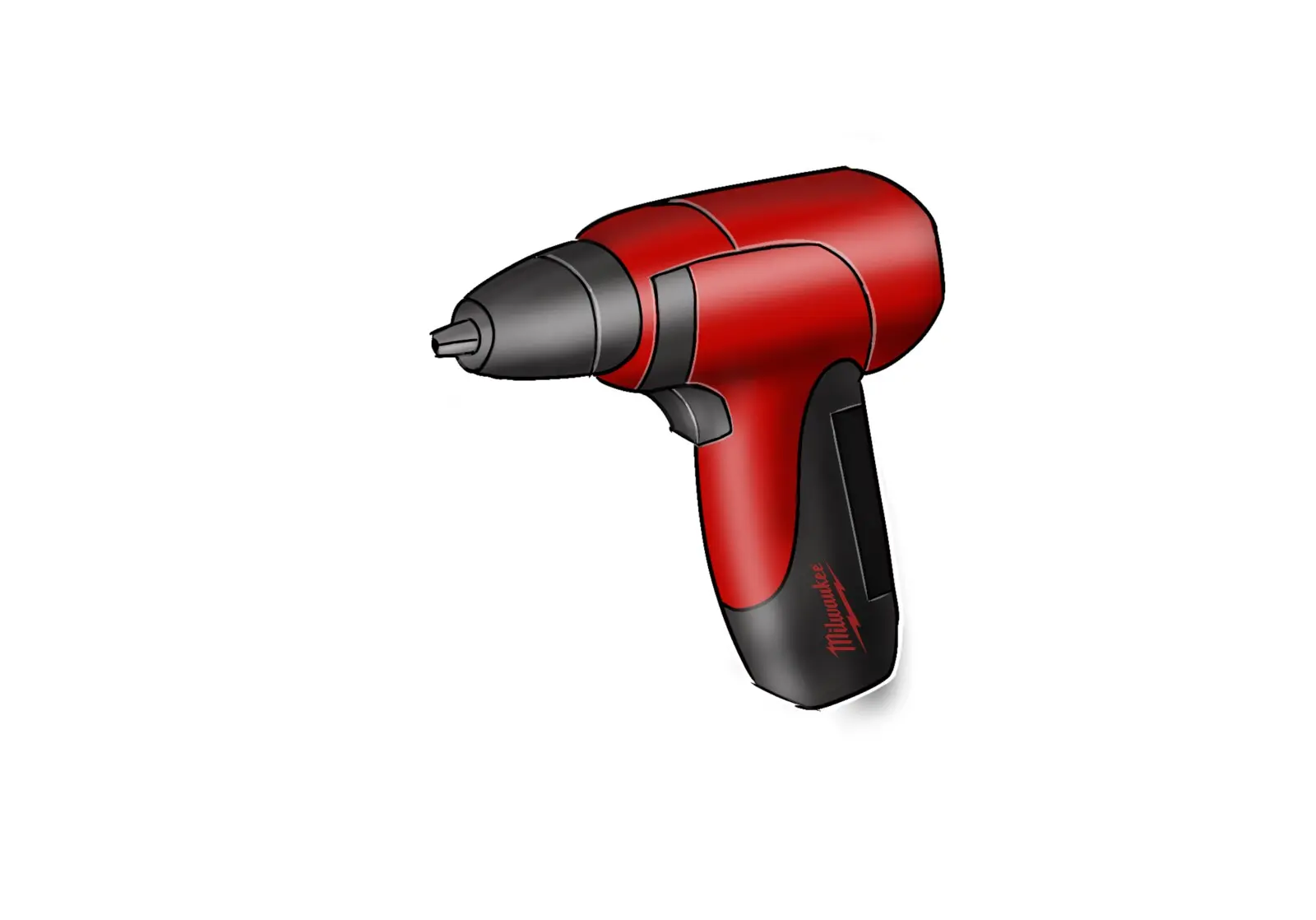
The handheld tool study explores a compact body, a clear trigger zone and a grip that visually anchors the product. Colour blocking separates functional areas and strengthens the sense of direction.
A simple side perspective makes the relationship between motor housing, chuck and handle easy to evaluate.
03 / Assembly logic
The sketch can explain how a product opens, rotates or comes apart.
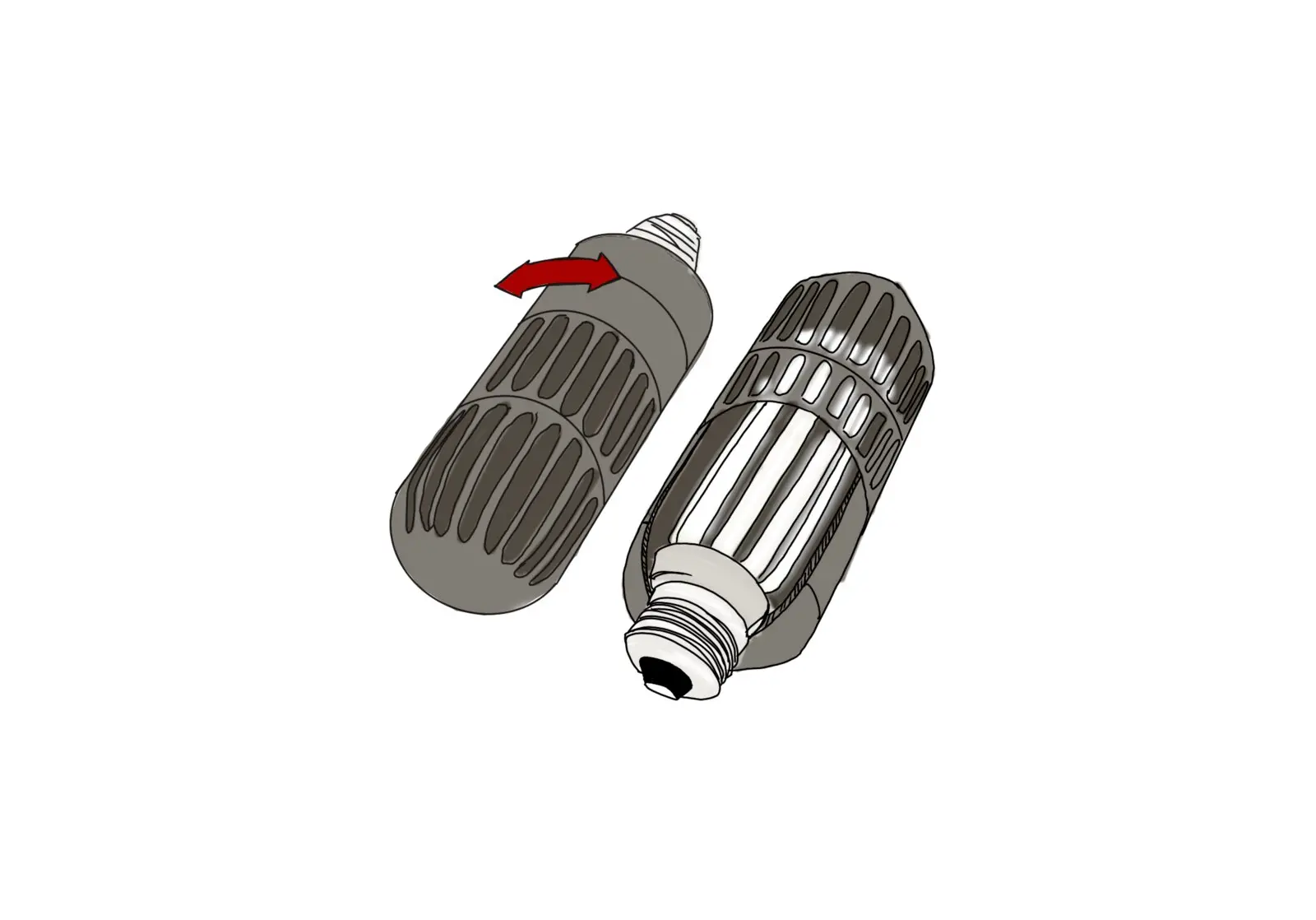
This vented component study uses a paired view and directional arrow to communicate rotation and reveal the internal ribbed structure.
Showing the closed and open states together turns a form sketch into a quick piece of assembly communication.
04 / Human scale
Dimensional views turn ergonomic intent into a checkable proposal.
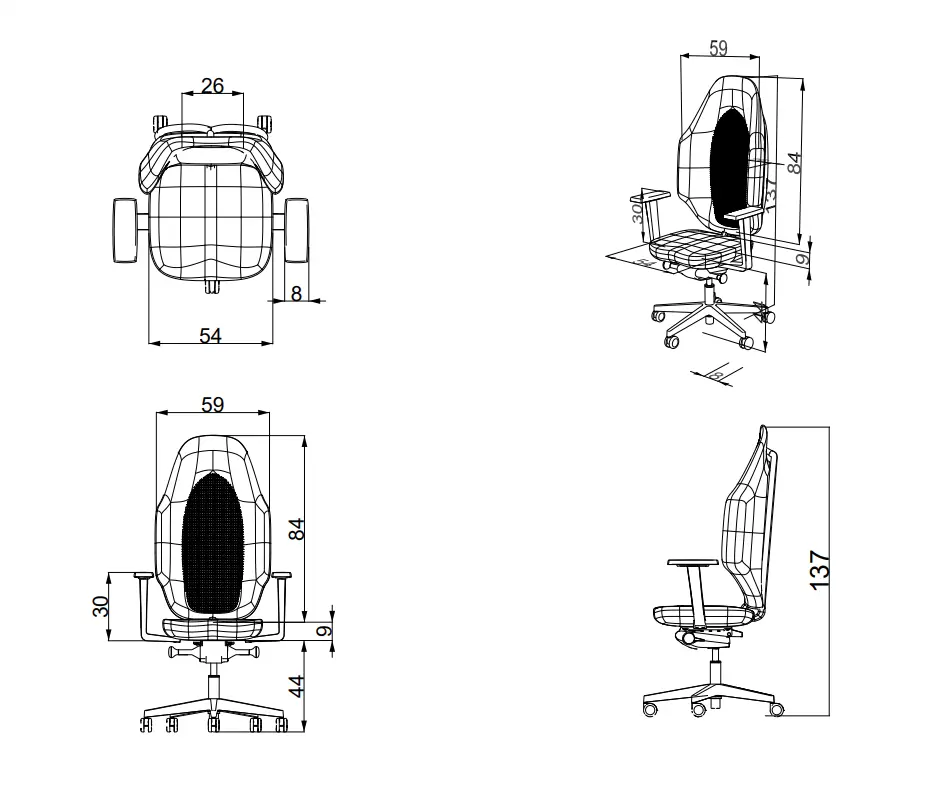
The chair study moves from visual form into front, side, top and perspective views with overall dimensions. Seat height, back support, arm position and base footprint can be reviewed together.
This stage connects product aesthetics to the practical needs of posture, reach, stability and workspace fit.
Project details
From thinking to a tangible outcome.
Back to first case